Movie Cover: The Font for Cinematic Impact
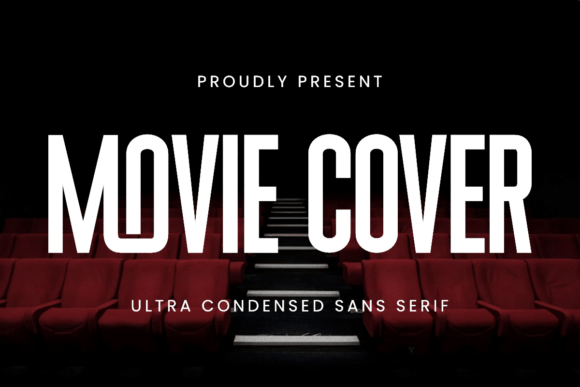
In the fast-paced world of visual communication, grabbing attention instantly is paramount. Whether you're designing a movie poster, a streaming thumbnail, or a bold advertising campaign, the typography you choose can make or break the first impression. Enter Movie Cover, an ultra condensed sans serif font specifically crafted for projects that demand bold, cinematic presence and modern sophistication.
Understanding the Power of Condensed Typography
Typography is the voice of your design, and a font like Movie Cover speaks with authority. Its tall, sleek, and dramatic letterforms are engineered to maximize vertical space while maintaining exceptional readability. This condensed style is particularly valuable in today's design landscape, where screen real estate is limited and visual clutter is everywhere. By choosing a typeface that delivers maximum impact in minimal space, you're making a strategic design decision that enhances both aesthetics and functionality.
What sets Movie Cover apart from other condensed fonts is its deliberate cinematic quality. The letterforms carry a sense of drama and movement, making them perfect for projects that need to evoke emotion or convey urgency. This isn't just another narrow typeface—it's a carefully designed tool for creating memorable visual experiences.
Practical Applications Across Creative Projects
The versatility of Movie Cover extends far beyond its obvious use in film-related projects. Its design characteristics make it an excellent choice for a wide range of applications where bold, condensed typography can elevate the overall composition.
Branding and Visual Identity
For brands seeking a modern, confident aesthetic, Movie Cover offers a distinctive voice. Its condensed nature allows for creative logo design solutions, particularly for brands with long names or those operating in competitive markets where standing out is essential. The font's dramatic character can help establish a strong brand identity that resonates with contemporary audiences.
Marketing and Advertising
In advertising campaigns, every element must work harder to capture fleeting attention. Movie Cover excels in this environment, providing the visual weight needed for headlines and call-to-action text. Its space-efficient design makes it ideal for:
- Digital banner ads where space is extremely limited
- Print advertisements requiring bold headline treatments
- Social media graphics that need to stop scrolling thumbs
- Email marketing headers that demand immediate engagement
Digital and Editorial Design
For web designers and editorial professionals, Movie Cover offers solutions for creating effective visual hierarchy. Its condensed proportions work beautifully for magazine headlines, website hero sections, and UI elements where vertical space optimization matters. The font maintains clarity even at smaller sizes, making it surprisingly versatile for both large display text and supporting elements.
Integrating Movie Cover into Your Design Workflow
When incorporating any new typeface into your projects, thoughtful implementation is key. Consider these practical tips for using Movie Cover effectively:
- Pairing Strategy: Combine Movie Cover with a clean, highly readable sans serif or serif font for body text. The contrast between the dramatic condensed headings and comfortable body copy creates an engaging reading experience.
- Color Considerations: This font shines when given room to breathe. Consider using it in high-contrast color combinations where the letterforms can stand out against their background.
- Spacing and Alignment: Pay careful attention to letter-spacing and alignment. Condensed fonts often benefit from slightly increased tracking to maintain readability, especially in all-caps applications.
- Context Awareness: While Movie Cover is versatile, it's most effective when the project calls for bold, attention-grabbing typography. For formal or traditional contexts, consider whether its dramatic character aligns with the overall tone.
Evaluate any creative asset not just for its aesthetic appeal, but for how well it serves your specific design goals. Consider factors like scalability across different media, compatibility with your existing brand systems, and how effectively it communicates your intended message to your target audience.
The Role of Typography in Professional Design
In contemporary graphic design, typography is more than just choosing attractive letters. It's a fundamental component of visual communication that influences how information is perceived, understood, and remembered. A well-chosen typeface like Movie Cover contributes to the overall design quality by establishing clear visual hierarchy, reinforcing brand personality, and enhancing user experience.
When selecting typography for any project, consider how it interacts with other visual elements—color palette, imagery, composition, and white space. The most effective designs achieve harmony between these components, where each element supports the others to create a cohesive and professional presentation.
Thoughtful design choices, including typography selection, ultimately determine how effectively your message reaches and resonates with your audience. Quality creative assets like Movie Cover provide designers with the tools needed to create work that is not only visually striking but also functionally effective—bridging the gap between aesthetic appeal and clear communication in our visually saturated world.