Medieval Blackletter: A Timeless Font for Modern Design
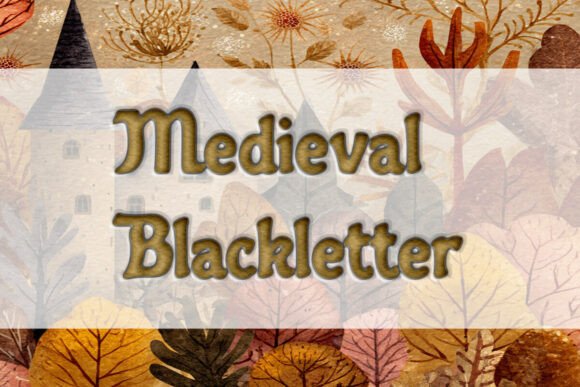
Imagine a typeface that whispers tales of ancient scrolls, royal decrees, and the meticulous artistry of medieval scribes. That’s the immediate, powerful allure of the Medieval Blackletter font. Far from being a relic, this style is a sophisticated tool for contemporary graphic design, offering a unique blend of historical gravitas and artistic flair that can instantly elevate a creative project.
Understanding the Essence of Blackletter
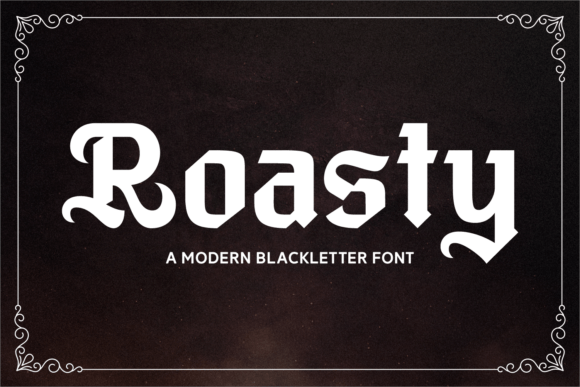
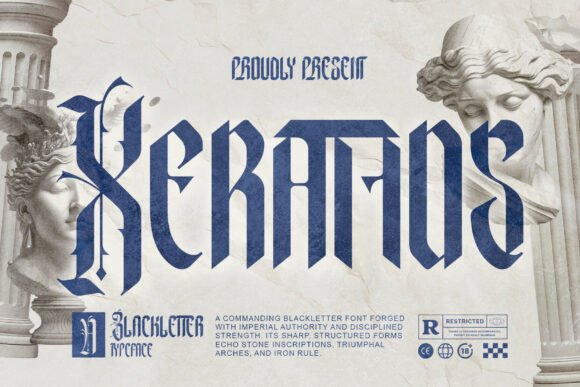
Medieval Blackletter, also known as Gothic script, originated in the 12th century and dominated European manuscripts until the Renaissance. Its characteristics—dense, angular strokes, and dramatic contrast between thick and thin lines—were born from the need to write efficiently on parchment with a broad-nibbed pen. In modern graphic design, this historical context translates into a typeface rich with personality. It doesn’t just convey a word; it communicates a mood of tradition, authority, and mystery. For designers seeking to add depth to their visual hierarchy, a well-chosen Blackletter font can serve as a stunning focal point.
Practical Applications for the Modern Creator
Integrating Medieval Blackletter into your design workflow requires thoughtful application. Its ornate nature makes it ideal for specific uses where impact and atmosphere are paramount, rather than for long-form body text. Here’s how it can transform various creative projects:
- Branding & Logo Design: Perfect for brands with a heritage, luxury, or artisanal identity—think craft breweries, vintage clothing lines, or boutique law firms. It creates a memorable brand identity that stands apart.
- Editorial & Packaging Design: Use it for magazine headlines, book covers, or product packaging to instantly evoke a sense of classic elegance or mythical storytelling, enhancing the overall aesthetic.
- Digital & Social Media Graphics: In a sea of modern sans-serifs, a Blackletter title in an Instagram post or a YouTube thumbnail can stop the scroll, generating intrigue and boosting engagement.
- Motion Graphics & Video Titles: Animated with care, the sweeping strokes of Blackletter can create powerful opening sequences for videos or presentations, setting a dramatic tone.
Tips for Effective Implementation
Using such a distinctive font effectively is key to professional presentation. Consider these guidelines for your design projects:
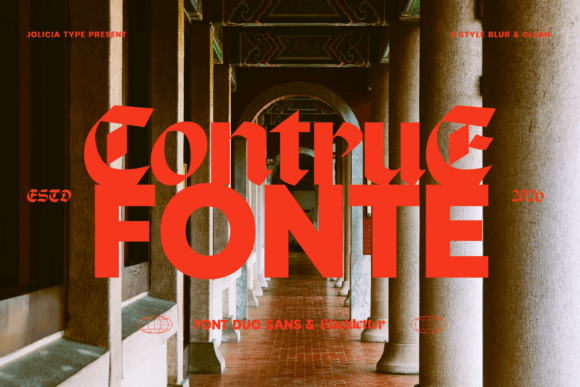
- Prioritize Readability & Hierarchy: Reserve Blackletter for headlines, logos, or short, impactful phrases. Pair it with a clean, neutral sans-serif or serif font for body text to maintain clarity and balance.
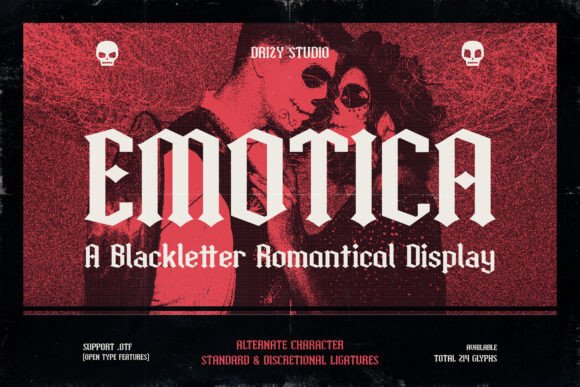
- Know Your Audience: The font carries strong connotations. Ensure its historical or gothic feel aligns with your target audience’s expectations and the project’s overall message.
- Test Scalability & Compatibility: Check how the font renders at different sizes, especially for small-scale applications like stickers or mobile UI. Ensure it works harmoniously with your chosen color palette and other visual elements.
- Use Sparingly for Maximum Impact: Overuse can overwhelm a design. Let it be the star of one key element to create a focused, powerful statement.
Ultimately, typography is a fundamental pillar of visual communication. Choosing a font like Medieval Blackletter is a deliberate design decision that goes beyond mere aesthetics; it’s about crafting a narrative and connecting with viewers on an emotional level. By leveraging its timeless charm with strategic precision, designers and creators can produce work that is not only visually stunning but also deeply resonant, ensuring their projects make an unforgettable impression.