Handship: A Font for Authentic Connection
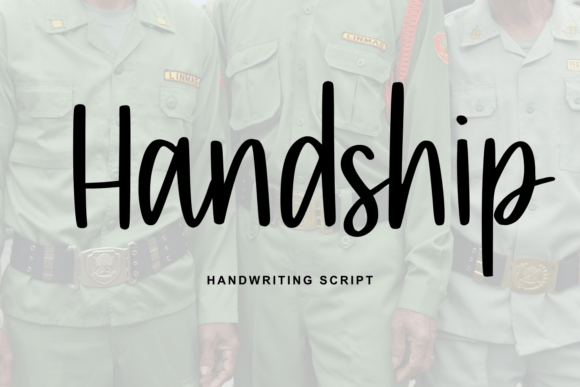
In an era of polished digital perfection, a touch of genuine humanity can make all the difference in a design. This is precisely where a typeface like Handship excels. More than just a collection of letters, this simple handwritten script font is a design asset crafted to inject warmth and personality into any visual project. Its clean, natural strokes authentically mimic the feel of real handwriting, making it a powerful tool for designers and brands aiming to create immediate, friendly, and memorable connections with their audience.
The Role of Authentic Typography in Modern Design
Effective visual communication hinges on choosing the right tools to convey a specific mood or message. While serif and sans-serif fonts dominate for their clarity and professionalism, script fonts like Handship serve a crucial role in humanizing a brand. In graphic design, typography is a cornerstone of brand identity. The right font can communicate values, evoke emotions, and set the tone for the entire customer experience. A handwritten style suggests approachability, creativity, and a personal touch—qualities that can significantly enhance user engagement and build trust.
Practical Applications for Handship
The versatility of a well-designed script font allows it to be integrated across a wide range of creative projects. Its friendly vibe makes it particularly effective in contexts where a personal connection is key. Consider its application in:
- Branding and Logo Design: Ideal for businesses that want to appear approachable, such as boutique shops, cafes, wellness brands, or creative studios.
- Marketing Materials: Perfect for crafting compelling headlines on flyers, brochures, and email newsletters that stand out from corporate rigidity.
- Social Media Content: Adds a personal, authentic feel to Instagram posts, Facebook ads, and Pinterest graphics, increasing relatability and shareability.
- Website and UI Design: When used strategically for accents, quotes, or button text, it can soften a digital interface and guide user focus, enhancing the overall UX design.
- Editorial Layouts and Packaging Design: Brings a handcrafted, artisanal quality to book covers, magazine pull-quotes, and product labels, telling a story of care and quality.
Integrating Handship into Your Design Workflow
Adding a new font to your creative assets requires more than just aesthetic preference; it demands strategic implementation. To maximize the impact of a typeface like Handship, consider these practical tips for your design workflow:
- Define the Context: Always align font choice with your design goals and audience expectations. Use Handship for emotional, narrative-driven elements, not for body text where readability is paramount.
- Establish Visual Hierarchy: Pair it with a clean, neutral sans-serif font. Let Handship command attention for headlines or key phrases, while the supporting font handles detailed information.
- Test for Readability and Scalability: Evaluate the font at various sizes, from a tiny favicon to a large print banner, to ensure it remains legible and maintains its charm.
- Maintain Brand Consistency: If using it for a brand identity, create clear guidelines on its usage—specifying color palette pairings, size restrictions, and appropriate contexts to ensure a cohesive professional presentation.
Ultimately, the strength of any design lies in the thoughtful cohesion of its elements. Typography, color, and composition must work in harmony to deliver a clear and polished message. By selecting high-quality, purposeful creative assets like Handship, designers and creators can elevate their work beyond mere aesthetics. It allows for the creation of visuals that not only look beautiful but also communicate with genuine warmth and authenticity, fostering a stronger, more personal connection with every viewer. In a crowded visual landscape, that authentic touch is not just an advantage—it's essential.